

00
0
No products in the cart.

Shopping Cart

PVC Strip Curtain Installation: Step-by-Step DIY vs Professional Guide (India 2026)

May 13, 2026 / By Super Admin / in PVC Strip Curtain & PVC Roll

Quick answer: PVC strip curtain installation is genuinely DIY-able for doorways up to 2,200 mm wide using basic tools (drill, level, measuring tape, spanner set) and a 2-person team in roughly 60–90 minutes. Above 2,500 mm width, in cold-storage applications below 0°C, on rolling shutters, or wherever forklift traffic is heavy, hire a professional installer — the engineering tolerances and load calculations become non-trivial and a bad install costs more than it saves.

This page walks through the full installation procedure plus a decision frame for when DIY makes sense and when it doesn’t. It is written for facility managers, civil contractors, and SME owners who want to understand the work before they pay for it.

1. Hardware Checklist Before You Start

  • PVC strips cut to length (door height + 50 mm tolerance for hanging gap)
  • Strip-curtain hanger plate (galvanised steel, 2 mm thick minimum for industrial applications)
  • Hooks: stainless steel or zinc-plated; one hook per strip + 10% spares
  • Mounting hardware: M8 or M10 anchor bolts for masonry, self-drilling screws for steel
  • Tools: hammer drill, masonry bit set, spirit level (600 mm minimum), measuring tape, spanner set, sturdy step ladder rated for the install height
  • Safety: gloves (strips have sharp factory edges), safety glasses, helmet if working above 2 m

For a standard 2 m × 2 m doorway with 200 mm strips and 50% overlap, you will need approximately 15 strips and 15 hooks. The exact count depends on the overlap formula below.

2. The Overlap Formula — Get This Wrong and the Curtain Fails

Strip overlap is the single most-important spec. Too little overlap = air/temperature leakage, the entire point of the curtain defeated. Too much = excessive friction when forklifts or carts push through, plus higher upfront cost.

ApplicationRecommended overlapWhy
Cold storage (below 5°C)67–100%Maximum air-seal against thermal differential
Freezer rooms (below −5°C)100% (double-overlap)Two layers of 50% overlap, staggered
Loading bays / warehouse33–50%Balance air-seal vs forklift passage
Industrial kitchen / food prep50%Insect barrier + thermal seal
Retail entrance / office25–33%Light insect / dust barrier, easy walk-through

Strip count formula:Number of strips = (Door width ÷ (Strip width × (1 − Overlap%))) + 1. For a 2,000 mm door with 200 mm strips at 50% overlap: 2000 ÷ (200 × 0.5) + 1 = 21 strips. For 33% overlap: 2000 ÷ (200 × 0.67) + 1 ≈ 16 strips. Always round up; never down.

3. The 9-Step Installation Procedure

  1. Measure the doorway: width, height, and check that the lintel is structurally sound. Note any obstructions — conduit, sprinklers, signage.
  2. Mark the hanger position: 25–50 mm above the lintel ideally on a separate masonry/steel surface. Use spirit level to draw a horizontal reference line.
  3. Drill anchor holes: spacing 250–300 mm between bolts. Use 8–10 mm masonry bit for concrete; pilot hole + self-drilling screws for steel structures.
  4. Mount the hanger plate: insert wall plugs, position plate, level-check, then torque anchors. Don’t fully tighten until you confirm the plate is true.
  5. Pre-assemble hooks on the plate: snap each hook into its slot. Test hook movement — should rotate freely but not slip out.
  6. Hang the first strip on the centre hook: this is your reference. Verify it hangs vertically (use plumb-bob or weighted string).
  7. Work outward from centre: alternate left, right, left, right. This keeps the curtain visually balanced and ensures equal overlap on both sides.
  8. Trim the bottom edge: leave 25–50 mm clearance from the floor. Too low and strips drag, deform, and pick up dirt. Too high and the seal breaks.
  9. Final inspection: walk through twice. Confirm overlap is consistent, no strips are kinked, hooks aren’t binding.

4. When to DIY vs Hire a Professional

ScenarioDIY OK?Why / why not
Office / retail entrance, <2,200 mm wideYesStandard install, low risk, low load
Restaurant kitchen / prep areaYesSame as above; just specify food-grade clear PVC
Loading bay with forklift trafficNoHeavy-duty hanger required; impact-load math
Cold storage / freezer roomsNoLow-temp PVC grade selection critical; structural seal matters
Doorway above 2,500 mm wideNoHanger structural rating + scaffolding needed
Rolling shutter or moving doorNoBracket interaction with shutter mechanism
Pharma / cleanroom / hospitalNoCompliance documentation + grade certificates required

5. Six Mistakes That Cost the Most

  • Wrong strip thickness for the application. Office/retail = 2 mm. Cold storage = 3 mm. Heavy industrial = 4 mm. Forklift bays = 4 mm with ribbed profile. See our strip thickness guide for the full chart.
  • Hanger mounted on weak masonry. Plaster-only walls cannot take the cantilevered load. Always anchor into structural concrete, brick with proper plugs, or welded steel.
  • Hooks too close together. Reduces overlap, creates gaps. Stick to the formula in section 2.
  • No floor clearance. Strips dragging on the floor wear out in 6 weeks, deform, lose seal.
  • Wrong PVC grade for the temperature. Standard PVC stiffens below −5°C and shatters. Use Polar / low-temp grade for freezer applications.
  • Skipping the spirit level. A 5 mm tilt on a 2 m door creates uneven overlap and asymmetric wear.

6. Frequently Asked Questions

How long does PVC strip curtain installation take?

For a standard 2 m × 2 m office or retail doorway with a 2-person team, allow 60–90 minutes from unboxing to first walk-through. Industrial doors above 2,500 mm wide or cold-storage installs typically need 2–3 hours plus pre-install structural verification.

What is the HSN code for PVC strip curtains?

PVC strip curtains fall under HSN 3920 49 (other plates, sheets, film, foil and strip of non-cellular plastic, of polymers of vinyl chloride). GST rate is 18%. We will cover the full GST and reverse-charge treatment in a separate guide; for now, the headline rate is 18%.

Can I reuse the existing hanger when I replace strips?

Yes if the hanger is structurally sound. Inspect the hanger for rust, bent hooks, and stripped bolt threads. Replace any hook that doesn’t rotate freely. The strip-replacement cycle is typically 18–36 months in commercial use; the hanger itself lasts 8–10 years.

Does a PVC strip curtain need an air curtain too?

In high-volume applications — supermarket cold-storage entrances, large food-prep areas — the two work together: the air curtain handles airborne particulates and flying insects, while the strip curtain handles thermal sealing and walking insects. For low-volume single-entry use, one or the other suffices. See our air curtain vs PVC strip curtain decision framework.

What clearance should strips have from the floor?

25–50 mm. Lower and the strips wear out fast from dragging; higher and you lose seal at the bottom. For sites that get cleaned with high-pressure water (food prep), increase to 75 mm so strips don’t soak.

Are PVC strip curtains food-grade?

Standard clear PVC is food-contact safe per IS 10146 and FDA 21 CFR 177.1010. For direct food-contact zones, specify food-grade clear PVC explicitly on the PO. For cold-room applications, use Polar-grade (works down to −25°C). For UV-exposed outdoor installs, use UV-stabilised amber grade.

7. Chronovex Installation Service

For installs that need professional handling — cold storage, loading bays, large industrial doors, multi-site rollouts — we offer turnkey installation across India. Standard installation includes site survey, mounting hardware, electrical termination (where applicable for air curtain combo installs), 5-metre electrical supply tolerance, post-install testing (airflow velocity for air curtains, seal-check for strip curtains), and a PDF installation report with photos. See our full installation service for pricing tiers and city coverage.

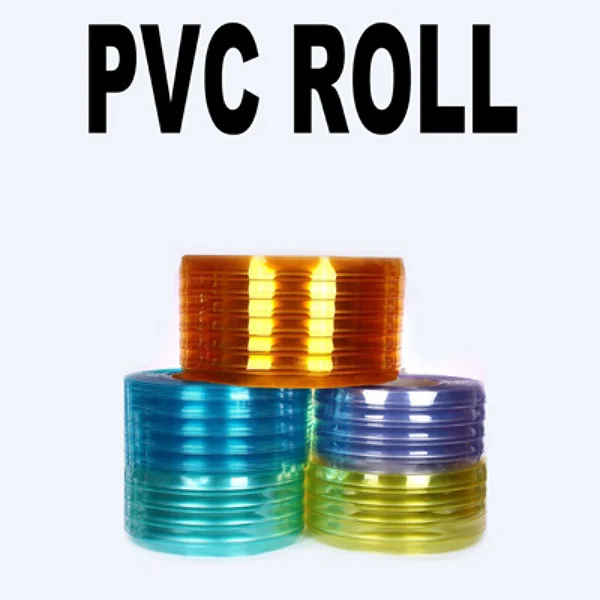
Or browse our PVC strip curtain range across Standard, Polar (cold-room), Ribbed (high-impact), and Amber (UV) grades.

Installation guidance reflects standard Indian industrial practice. Always defer to site-specific structural and safety advice from a qualified contractor.